
Special Deal FTMO Celebrates 10 Years
What Professional Athletes and Professional Traders Have in Common EN
Trading Psychology

What Professional Athletes and Professional Traders Have in Common

The stadium is packed. The score is tied. A striker steps up to take the penalty that will decide the match. The crowd roars, pressure mounts, and millions of eyes are on him. He takes a deep breath, shuts out the noise, and executes.

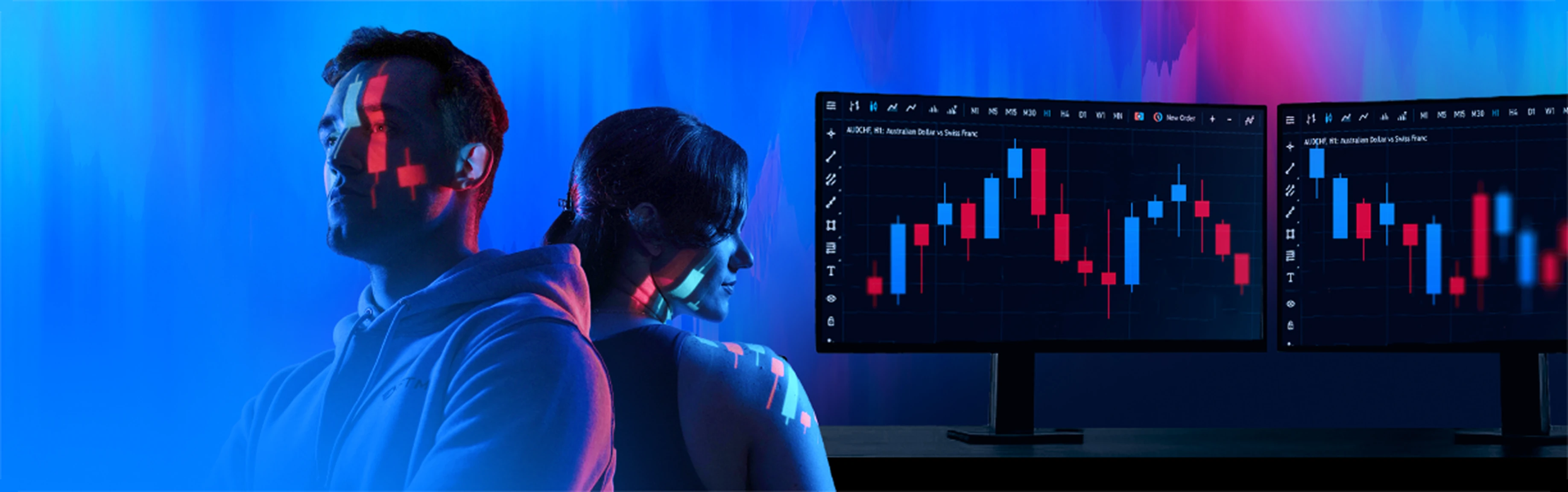
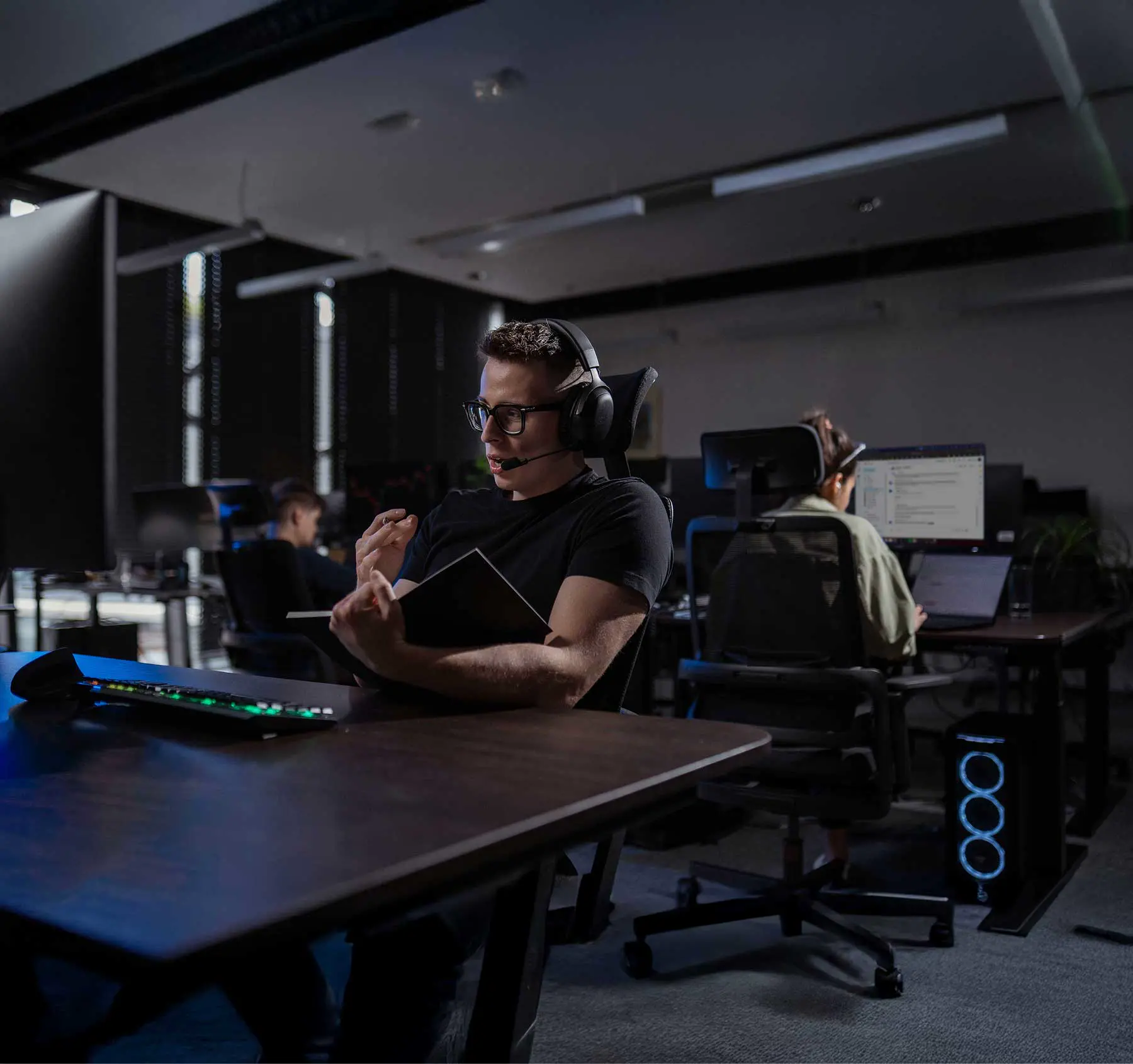
Now picture a trader during a high-volatility news release. The market is moving fast, emotions surge, and every decision feels like it could make or break the day. Just like the athlete, the trader must perform with discipline, focus, and control under pressure.

At first glance, sports and trading might seem like completely different worlds. One plays out on a field or court, the other on charts and screens. But in reality, professional athletes and professional traders share much more in common than most people realize.

Both careers demand more than just talent or skill. They require discipline, resilience, and the ability to perform when it matters most. Without the right mindset, even the most talented athlete or trader won’t last long at the top.

Discipline Is the Foundation

Discipline is what separates professionals from amateurs in both sports and trading.

  • Athletes follow strict training schedules, diets, and recovery routines. They don’t let emotions or laziness dictate their preparation.
  • Traders follow their trading plans, risk rules, and execution strategies, even when emotions push them toward impulsive decisions.

Discipline creates consistency, and consistency builds results.

Preparation Creates Confidence

Behind every great performance is preparation. Professionals don’t just “wing it.”

  • Athletes spend hours practicing, studying opponents, and reviewing game footage.
  • Traders backtest strategies, journal trades, and review market conditions before each session.

Preparation builds confidence. When the moment comes, both athletes and traders can trust their training instead of panicking.

Performing Under Pressure

Pressure moments reveal character.

  • Athletes stay calm during championship points, penalty kicks, or the final seconds of a game.
  • Traders stay composed during volatile markets, major news events, or rapid drawdowns.

Both know that emotions can cloud judgment, so they rely on routines and focus to keep their execution sharp.

Resilience After Setbacks

Losses and defeats are inevitable. What defines a professional is how they respond.

  • Athletes use losses as motivation to improve—studying mistakes and bouncing back stronger.
  • Traders see losing trades as feedback, not personal failure. They analyze, adjust, and return to the market with improved discipline.

Resilience is the ability to get back up again and again.

Playing the Long Game

Neither athletes nor traders succeed overnight. Both understand that true success comes from years of effort.

  • Athletes build careers over many seasons of training, competing, and adapting.
  • Traders grow accounts gradually through thousands of disciplined trades.

The long game rewards patience, persistence, and constant learning.

How Traders Can Train Like Athletes

Traders can learn a lot by adopting the habits of professional athletes.

  1. Set Process Goals
    Athletes don’t focus only on winning—they focus on training, improving form, and building endurance. Traders should do the same by measuring success based on following their plan, not just on profits.
  2. Develop Pre- and Post-Session Routines
    Athletes warm up before the game and review performance afterward. Traders can create routines such as reviewing setups before the session and journaling after it ends.
  3. Train Mental Fitness
    Just as athletes strengthen their bodies, traders should strengthen their minds. Practices like meditation, breathing exercises, and visualization improve focus and emotional control.
  4. Review and Learn From Mistakes
    Athletes watch game footage to study errors. Traders can review charts and journals to understand what went wrong and how to improve.
  5. Build Recovery Into the Schedule
    Athletes rest to avoid burnout. Traders should also step away from screens, take breaks, and allow time for mental recovery. A fresh mind performs better.

The Takeaway

Professional athletes and traders have more in common than you might think. Both face pressure, setbacks, and uncertainty. Both succeed not by avoiding these challenges but by preparing, staying disciplined, and continually improving.

Whether you’re stepping onto the field or into the markets, the lesson is the same: mindset and process win in the long run.


All information provided on this site is intended solely for educational purposes related to trading in financial markets and does not serve in any way as a specific investment recommendation, business recommendation, investment opportunity analysis, or similar general recommendation regarding the trading of investment instruments. FTMO provides only simulated trading services and educational tools for traders. The information on this site is not directed at residents of any country or jurisdiction where such distribution or use would be contrary to local laws or regulations. FTMO companies do not act as a broker and do not accept any deposits. The offered technical solution for FTMO platforms and data feed is powered by liquidity providers.

About FTMO

FTMO has developed a two-step evaluation process to find trading talents. Upon successful completion, you may be eligible for an FTMO Rewards Account with a balance of up to $200,000 in simulated funds. How does it work?